
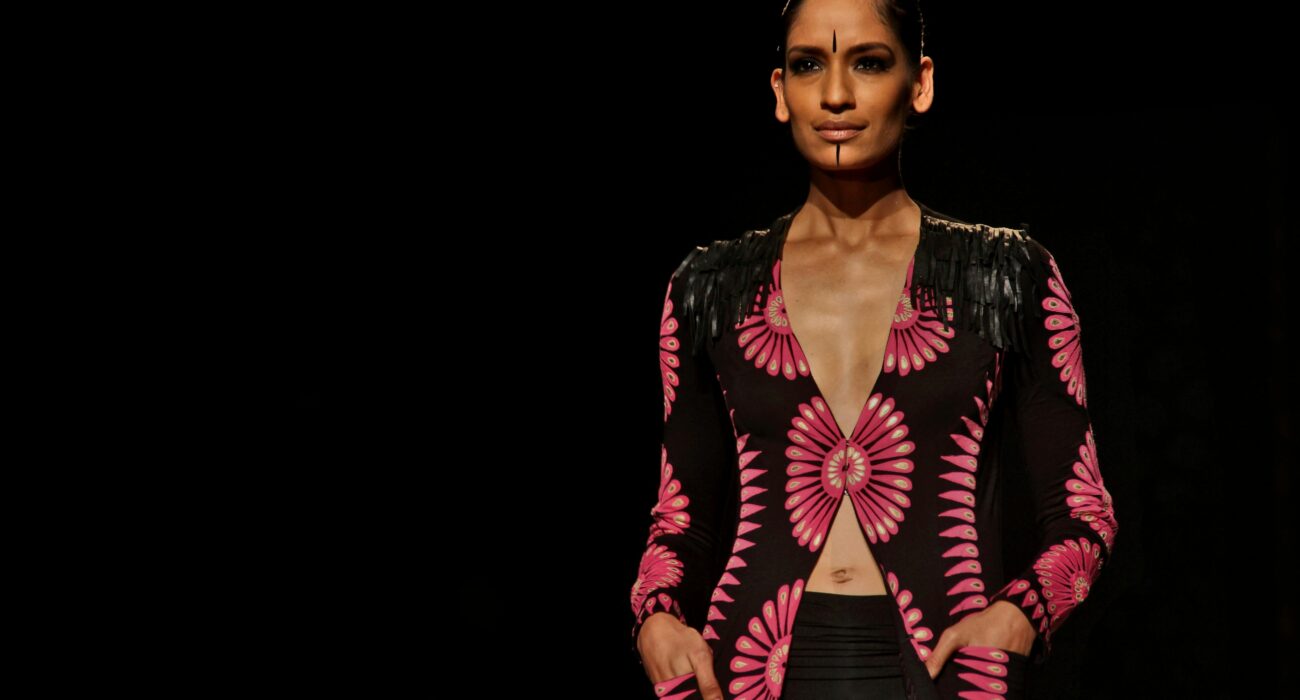
In February 2026, the air in Mumbai is thick with more than just humidity—it’s vibrating with a “fashion-first” energy that feels different from years past. As the definitive style capital of South Asia, Mumbai isn’t just following trends; it’s engineering them. This year, the city has ditched rigid rules in favor of a “Casual Economy,” where comfort, sustainability, and technological integration aren’t just buzzwords—they are the new standard.
Here is how Mumbai is redefining the fashion landscape today.
1. The “Stronger Spine” Movement
The Mumbai fashion industry is currently undergoing a structural shift. Moving away from the “Shining Shell” of spectacular runway optics, designers are now focusing on what industry experts call the “Stronger Spine.” This involves a deep dive into production management, supply-chain transparency, and financial viability.
Instead of just chasing “who wore what,” labels like HUEMN and Antar Agni are prioritizing infrastructure and lived accountability. The goal? To build systems that outlast the three-minute spectacle of a fashion show.
2. Digital Product Passports (DPP)
Mumbai’s elite boutiques and high-street retailers are the first in India to operationalize Digital Product Passports. By scanning a QR code on a garment’s tag, consumers can now see the entire lifecycle of their purchase.
-
74% of Mumbai shoppers now express a willingness to pay a premium for traceable items.
-
DPPs provide data on the origin of the fiber, the conditions of the factory, and even recycling instructions.
3. The “Casual Economy” & Hybrid Workwear
The “Revenge Buying” phase of the early 2020s has stabilized into a high-velocity Casual Economy. With Mumbai’s hybrid work culture now permanent, the demand for “premium basics” has skyrocketed.
-
Wide-leg denim: Vintage washes and relaxed fits from brands like Levi’s are the new corporate uniform.
-
High-Vamp Flats: Known as the “turtleneck flat,” these are quietly replacing ballet slippers as the preferred footwear for women navigating the 20,000 steps a day typical of a Mumbaikar’s life.
4. Zero-Waste and “Modular” Design
Sustainability in Mumbai has moved from a “nostalgic gesture” to a concrete movement. Modular Fashion is the breakout trend of 2026. Garments are designed with interchangeable parts—sleeves, collars, and panels that can be swapped or repaired.
Expert Insight: “In 2026, zero-waste is not a trend; it’s a transformative force. Mumbai brands are using AI-powered digital pattern-making to optimize fabric layout to the millimeter, ensuring near-zero textile waste.”
5. The “KĀRYA” Institutional Shift
In a historic first, Mumbai is launching KĀRYA this April—a museum-scale platform at the Chhatrapati Shivaji Maharaj Vastu Sangrahalaya. This initiative reclaims the narrative of Indian craft, presenting textiles as fine art rather than just raw material. This institutional backing is giving Mumbai-based designers a new level of global authority, positioning Indian handloom alongside international luxury heritage.
6. Street Style: The Lollapalooza Effect
Street style in Mumbai has become a “chaotic moodboard.” Influenced by festivals like Lollapalooza India, the current aesthetic is a collision of rave-ready streetwear and crafty crochet. Attendees are no longer buying off-the-rack; they are “building” looks using vintage finds from Bandra’s Hill Road and layering them with exaggerated cargo silhouettes and Y2K-inspired waist chains.
The Verdict
Mumbai in 2026 is a city that has finally found its balance. It is a place where a ₹50,000 hand-embroidered Eka jacket is worn with a pair of upcycled thrift-store jeans, and where the most important accessory isn’t a logo, but a QR code that proves your outfit didn’t cost the earth. Style here is no longer a performance; it is a lifestyle choice that values authenticity over optics.